Bio-Mining Process Step by Step – Complete Guide for Sustainable Waste Management
Bio-Mining is an advanced solid waste management solution used to scientifically treat legacy waste (old dump yards) and reclaim valuable land. With increasing pressure from government regulations like the Solid Waste Management Rules 2016, bio-mining has become a preferred method for municipalities across India.
If your city or village has accumulated waste for years, bio-mining offers a practical, eco-friendly, and cost-effective solution.
In this detailed guide, we explain the Bio-Mining process step by step, along with its benefits, technology, and environmental impact.
What is Bio-Mining?
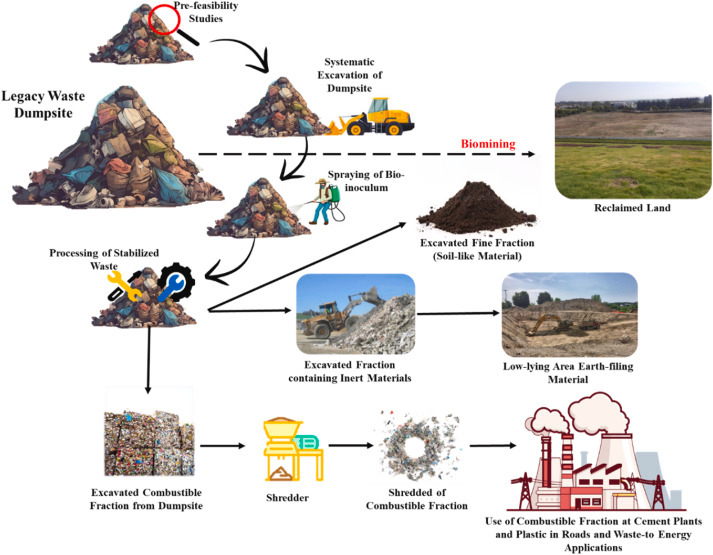
Bio-Mining is a process of excavating old municipal solid waste (MSW) from dump sites and treating it using biological methods and mechanical segregation to recover useful materials like:
Compost-like material
Recyclable plastics
Metals
Refuse Derived Fuel (RDF)
Inert material for land filling
The process reduces landfill volume and restores land for future use.
Step-by-Step Bio-Mining Process
1️⃣ Site Assessment & Planning
The first step in the bio-mining process is conducting a detailed site survey.
Activities Include:
Estimating total waste quantity (in metric tons)
Testing waste characteristics (moisture, organic content)
Checking groundwater contamination
Planning machinery layout
Preparing DPR (Detailed Project Report)
This step ensures:
Accurate budgeting
Proper machinery selection
Environmental safety compliance
2️⃣ Excavation of Legacy Waste
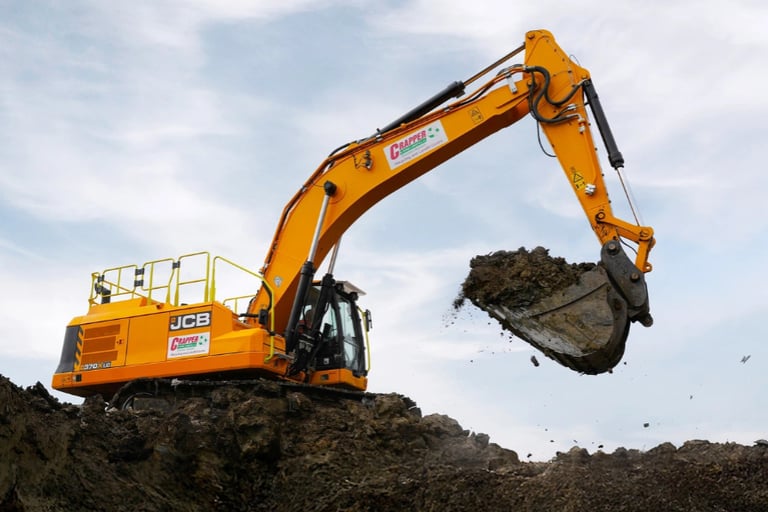
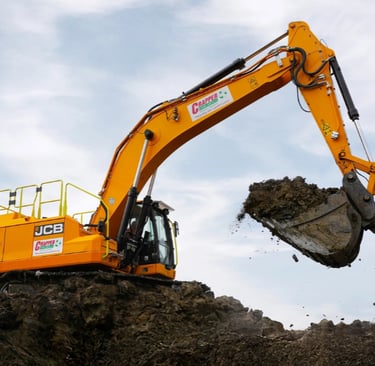
Once planning is complete, the old waste is excavated using:
Excavators
JCB machines
Loaders
The waste is transported to the processing area within the site.
Safety Measures:
Dust suppression using water sprinklers
PPE kits for workers
Controlled excavation to avoid methane hazards
3️⃣ Bio-Degradation & Windrow Formation
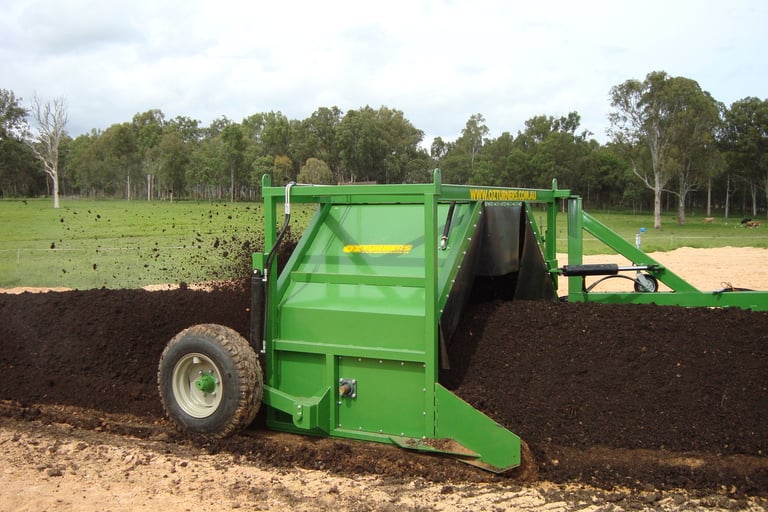
Excavated waste is arranged in long rows called windrows.
Process:
Microbial culture is sprayed
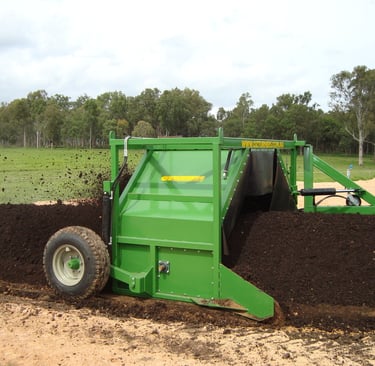
Regular turning is done using windrow turners
Moisture is maintained at 40–60%
Aeration helps aerobic decomposition
This process reduces organic content and stabilizes waste.
Time Required: 2–4 weeks (depending on waste condition)
4️⃣ Mechanical Segregation & Screening
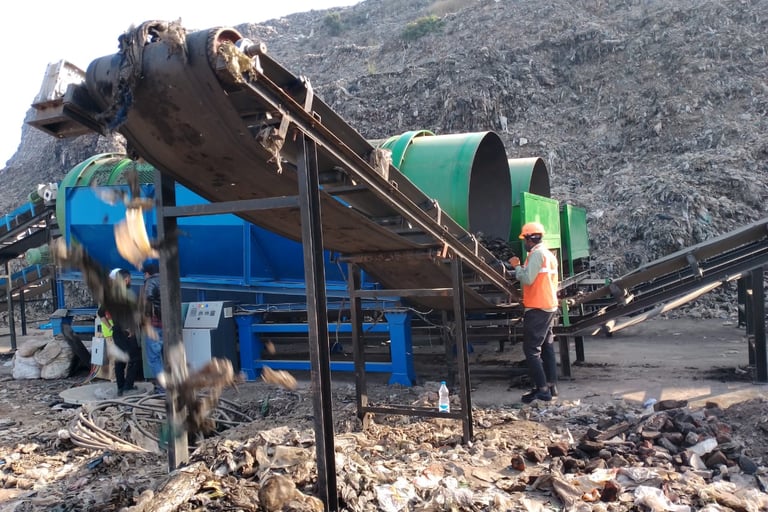
After bio-stabilization, waste is processed through machines like:
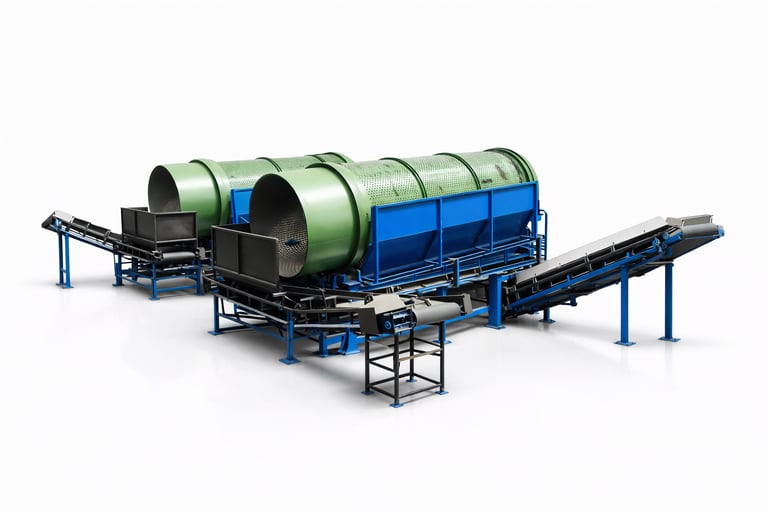
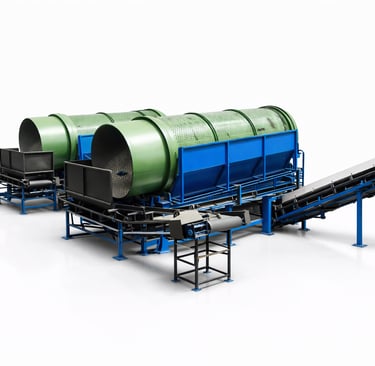
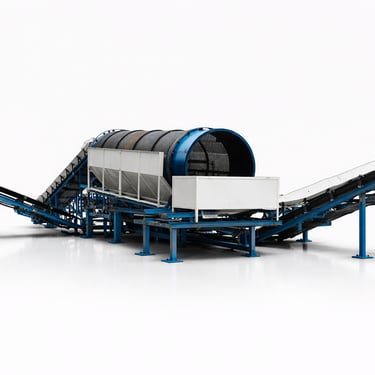
Trommel screens
Ballistic separators
Magnetic separators
Output Fractions:
Fine compost-like material (soil fraction)
Recyclable plastics
Metals
RDF material
Inert waste
This stage ensures maximum resource recovery.
5️⃣ Material Recovery & Disposal
Recovered materials are processed as follows:
Compost-like material (CLO): Used for landfill cover or soil conditioning
Plastics: Sent to recycling units
Metals: Sold to scrap dealers
RDF: Sent to cement plants
Inert Material: Used for road base or scientific landfill
This ensures minimal waste goes back to landfill.
6️⃣ Land Reclamation & Site Restoration
Once waste is cleared:
Land is leveled
Soil is compacted
Green belt is developed
Site is converted for public use or infrastructure
Many reclaimed sites are converted into:
Parks
Waste processing facilities
Solar plants
Commercial land
Key Benefits of Bio-Mining
🌱 Environmental Benefits
Reduces methane emission
Prevents groundwater contamination
Eliminates foul odor
Controls fire hazards
💰 Economic Benefits
Recovers valuable materials
Reduces land acquisition cost
Generates employment
Revenue from RDF and recyclables
🏙 Social Benefits
Improves public health
Removes visual pollution
Enhances urban development
Why Bio-Mining is Important in India?
India has thousands of legacy dump sites accumulated for decades. Under the Solid Waste Management Rules 2016, local bodies are required to clear legacy waste scientifically.
Bio-Mining helps:
Achieve Swachh Bharat goals
Improve urban sanitation rankings
Promote circular economy
Machinery Used in Bio-Mining Plant
Excavator
Trommel Screen
Windrow Turner
Conveyor Belts
Magnetic Separator
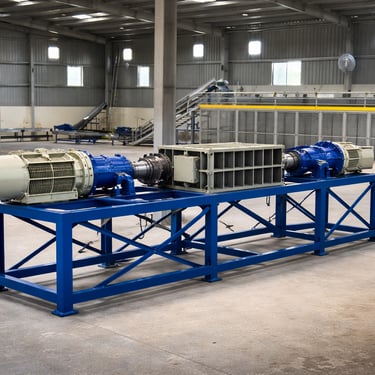
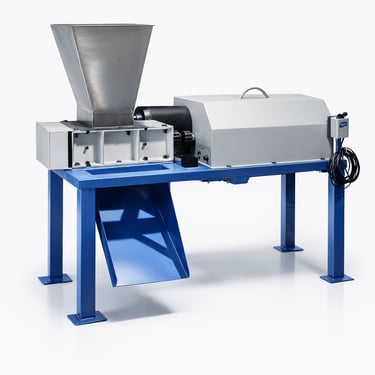
Shredder (for RDF)
Selection depends on waste quantity and project size.
Bio-Mining is a sustainable, environmentally responsible, and government-approved method for clearing legacy waste and reclaiming valuable land.
By following a systematic step-by-step bio-mining process, municipalities and private operators can:
✔ Remove old dump yards
✔ Recover reusable resources
✔ Prevent pollution
✔ Reclaim prime land
✔ Support sustainable development
If your organization is planning a Bio-Mining project, proper planning, advanced machinery, and experienced execution are critical for success.
FAQs About Bio-Mining
Q1: How long does bio-mining take?
It typically takes 6–24 months depending on waste quantity.
Q2: Is bio-mining profitable?
Yes, through recovery of recyclables and reclaimed land value.
Q3: Is bio-mining environmentally safe?
Yes, when done as per government guidelines and pollution control norms.
PHONE:-
+91 96370 01919
+91 94051 70239
+91 87999 26002
EMAIL:-
marketing@hindzerowaste.com
info@hindzerowaste.com
sales@hindzerowaste.com
Copyright © 2024 hindzerowaste | Website Developed By Dhiraj Charane
OUR PRODUCT:
OUR ADDRESS
Hind Group, H406, Fourth Floor, Govind Excellency, 6th Lane, Rajarampuri. Kolhapur 416008, Maharashtra, India